









A vibrant festival where science, art and music come together in an evening full of new ideas and unexpected encounters.
The world around us is changing rapidly. Technology is becoming increasingly present in our daily lives, climate change is becoming more visible, and political tensions are rising. That can feel uncertain or overwhelming.
On September 25, Forum Groningen transforms into a meeting place where scientists, artists, writers and visitors come together to explore the theme Resilience in Times of Change. Resilience is not about simply bouncing back. It is about how we adapt, how we support one another, and how we find new ways to move forward together.
From healthy bodies and resilient minds to the power of art, hope and connection in times of change. From the ways different perspectives, backgrounds and ways of thinking can strengthen society, to how curiosity helps us stay open to the world and to one another.
Through talks, installations, workshops, performances and discussions, Eureka! Festival shows that science is not something distant from our everyday lives, but something we are all part of. We create space for imagination, conversation and new ideas. Because the future does not emerge on its own. We shape it together.
Check out everything there is to do and experience at the festival below!
Shared Spaces (ENG)
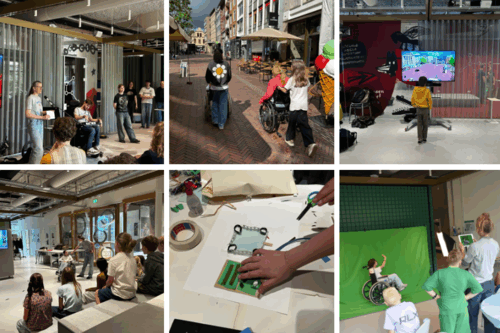
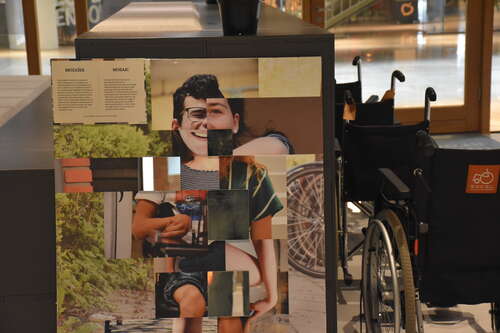
Wonderland back will be a shared space where we explore the question: What does it mean to truly belong in a city? At This Abled City, you can explore disability, accessibility and belonging through play, conversation and experience. Stay for five minutes or an entire time slot and discover what it takes to create a city where everyone feels like they belong.
This Abled City project, RUG
Would Pinus have glued himself to the A12? (NL)
In this short lecture, Hylke de Bour explores whether the Romans considered the impact humans had on the climate. Drawing on the encyclopedia of Pliny the Elder (23/24-79 AD), in which he sought to gather as much knowledge as possible about the world and nature, Hylke explains how the Romans understood human-nature relationships and which environmental and climate-related problems they identified.
By: Hylke de Boer, Faculty of Arts, RUG.
Stress can be your friend (ENG)
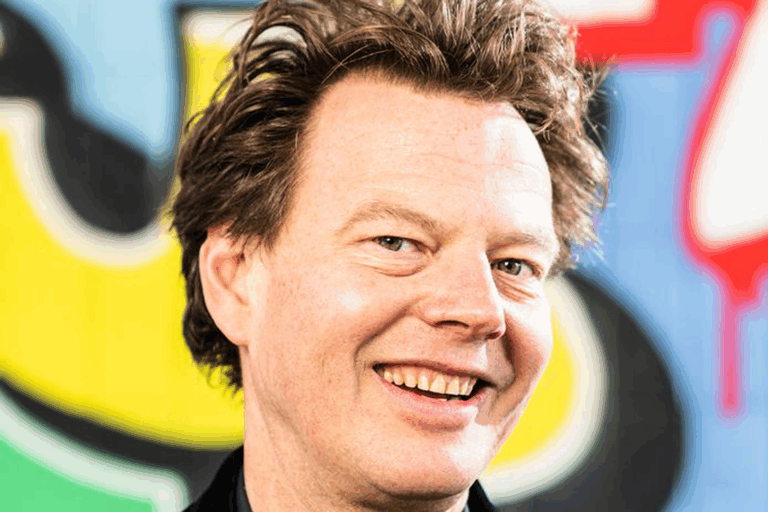
Around 20–25% of people in the Netherlands struggle with exhaustion, anxiety or depression. In a society that never seems to switch off, perhaps that’s no surprise. But stress isn’t always something to fight. Clinical and developmental psychologist Bertus Jeronimus argues that it can also be a friend and a compass, helping us understand what we need and when we need it. He explores digital boundaries, societal pressure and the power of taking small breaks. Featuring music by Ruben Hein.
Host: Jim Jansen
What can we learn from elite sport? (NL)
How do you stay resilient when pressure, uncertainty and setbacks are inevitable? Elite athletes offer a fascinating example. Drawing on sports psychology, we explore how they deal with performance pressure, change, success and disappointment. What makes them mentally strong? And what can we learn from them about performing under pressure, adapting to change and continuing to grow?
This presentation is based on the book Nico co-authored with Olympic champion Marit Bouwmeester, bringing together elite sporting experience and science in an accessible way.
By: Nico van Yperen, Sport & Performance Psychology, Faculty of Behavioural and Social Sciences, RUG; Sport, Science & Innovation Groningen
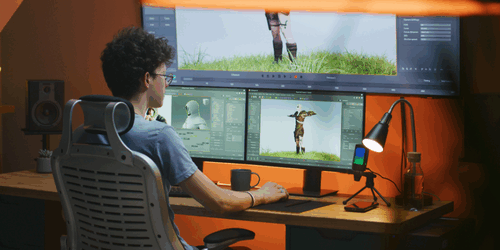
Is Digital Animation Unnecessarily Wasteful? (ENG)
How environmentally sustainable is digital animation? Digital animation can transport us to incredible worlds, but making them look and sound believable comes with a greater environmental cost than one would think.
In this interactive workshop, audiences will discover how creative choices, and especially decisions about believability, realism and technology, shape the environmental footprint of digital animations. When do animation filmmaking approaches become unnecessarily wasteful?
By: Cristina Formenti, Faculty of Arts, RUG
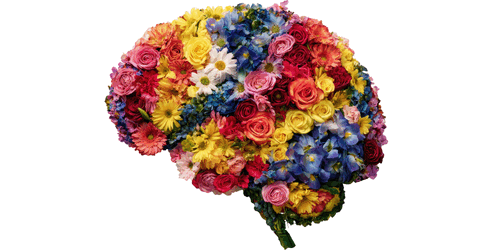
A Sonic Journey Through Your Brain (NL)
Step into the world of sound. In this 15-minute session, discover how invisible sound waves can rewire your brain, ease stress, and even boost creativity. Expect a journey through science and sensation, leaving you with a new perspective on the power of what we hear. What if the key to mental clarity is just a playlist away?
Tassos Sarampalis and Kirsten van den Bosch, Faculty of Behavioural and Social Sciences, RUG
What Sleep Can Tell Us About Mental Health (ENG)
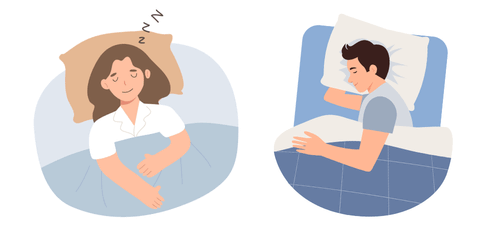
What can the way we sleep tell us about our mental health? Enough to influence how we diagnose mental disorders, design healthcare, and even shape policies such as school start times. Dina Sarsembayeva uses examples from her own research and other large population studies to show how different sleep behaviours, such as insomnia and sleep timing preferences, are intertwined with mental health throughout life.
Come along, join in, and discover! Join us for this interactive talk as we explore the fascinating connection between sleep and mental health. And don’t forget to stop by the mini museum, featuring special “Collector’s Items” from the University Museum.
Dina Sarsembayeva is a postdoctoral researcher at the Interdisciplinary Center Psychopathology and Emotion regulation, University Medical Center Groningen. Her PhD project combined sleep research, mental health, and epidemiology to understand how sleep influences mental wellbeing throughout life.
The program is curated by Studium Generale and the University Museum.
This Abled City: What Makes Us Belong? (ENG)
What does it really mean to belong in your city? Citizenship is often associated with passports, voting, or work, but it is also something we experience in everyday life: through the places we can access, the people we meet, and whether we feel welcome to participate. In this interactive talk, Julia Munuera Garcia and co-researcher Tessa Meijer with lived experience explore how disability offers a new perspective on belonging, participation, and everyday life. Through research, personal stories, and conversation, you'll be invited to reflect on what makes a city one where everyone can truly belong.
By: Julia Munuera Garcia & Tessa Meijer, University College Groningen, RUG
Whose Job Is It to Solve Climate Change? (ENG)
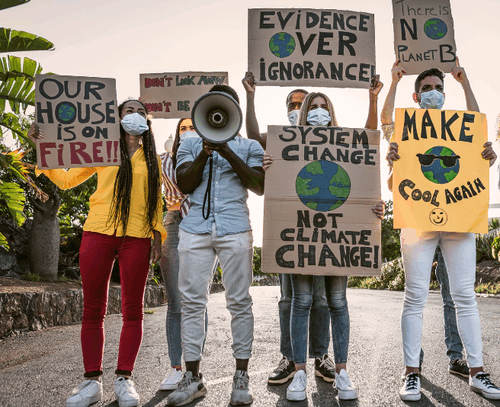
If we want to slow down climate change, we need to act. However, current society-wide climate action is lagging, with uncertainty and debate about who should act and who is able and motivated to take action. Environmental psychology researcher Xinran Wang discusses how governments, industry, organisations and individuals perceive their own role and the role of others. How do we empower all these actors to act towards a more sustainable future?
By: Xinran Wang, Faculty of Behavioral and Social Sciences, RUG.
Ultra-Processed: Too Good to Resist? (NL)
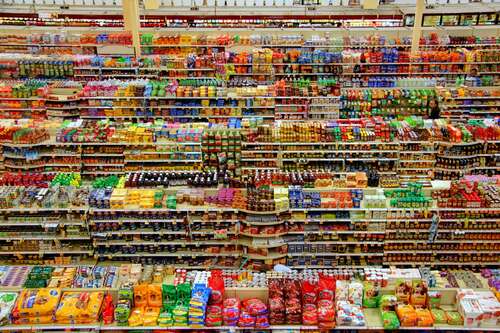
The supermarket may seem like a place full of freedom of choice, but many products are designed to grab our attention — and encourage us to eat more. In this talk, we’ll take you through the jungle of ultra-processed foods: from convenience and temptation to their effects on our bodies and eating behaviour. But what makes these products so irresistible? Discover which UPFs tempt you most and learn how to make more informed choices.
By: Janine Kruit, UMCG, and Andrea Werkman, Research Centre Biobased Economy, Hanze.
Climate Change: Stumbling Block or Stepping Stone? (ENG)
Climate change is reshaping how we live, work, and think about the future. Our instinct is often to protect what we know and seek stability amidst uncertainty. Yet research on human adaptation suggests a different perspective: what if disruption is precisely the condition that makes transformation and progress possible?
Behavioural scientist Valentina Lozano Nasi and Professor Energy Law Lorenzo Squintani explore how we can navigate the challenges of climate change and build a more transilient future. Featuring poetry by Hannan van Rooij and music by Ruben Hein.
Host: Jim Jansen
How to Find Work-Life Balance? (NL)
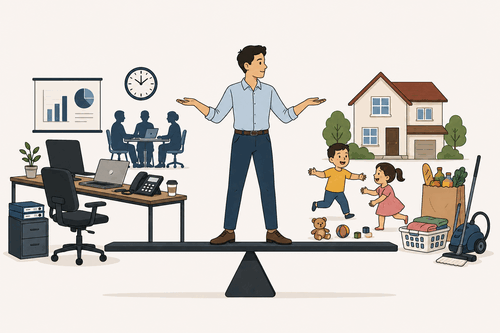
How do we manage work pressure without losing sight of life outside of it? What does “balance” actually mean in practice, and who gets to define it? Work pulls on our time, attention, and energy, while home brings its own responsibilities, care, and commitments. In between, we try to make it all fit. Using conversation cards developed from research in nursing homes, this interactive session expert Ylse van Dijk invites you to explore this everyday dilemma. Join us to share experiences, reflect on different perspectives, and learn how others navigate the shifting boundaries between work and home."
By: Ylse van Dijk, Sarah Janus, Faculty of Medical Sciences, RUG/UMCG.
Fantasizing in a Dream World (ENG)
During this guided fantasy exercise, you’ll step into a dream world where anything is possible. Use your imagination to challenge negative beliefs about yourself and experience what it feels like to see yourself in a different way.
Marlijn Besten, Center for Clinical Neuroscience and Cognition, UMCG
Shared Spaces (ENG)
Wonderland back will be a shared space where we explore the question: What does it mean to truly belong in a city? At This Abled City, you can explore disability, accessibility and belonging through play, conversation and experience. Stay for five minutes or an entire time slot and discover what it takes to create a city where everyone feels like they belong.
This Abled City project, RUG
Why Men and Women Sleep Differently (NL)
Everyone sleeps differently - from the time you go to bed to how much sleep you need. One important factor that plays a role is sex. But how exactly does sex affect our sleep, and what differences do we see between men and women? Danique Zantinge talks about sex differences in sleep and what science currently tells us about them.
Come along, join in, and discover! During this interactive talk, we’ll explore the differences in sleep between men and women.Be sure to stop by the mini museum featuring special “Collector’s Items” from the University Museum.
Danique Zantinge is a PhD candidate in Neurobiology at the University of Groningen. Her research focuses on how genetic and hormonal factors influence the course of Alzheimer’s disease, and how sleep problems during menopause may play a role in this.
The program is curated by Studium Generale and the University Museum.
Cool Your Home with Your Garden (NL)
How can we make our homes and neighbourhoods more resilient to heat?
Hot summer days are becoming a familiar experience. But did you know that the way we design and care for our gardens can help keep our homes cooler? In this session, we’ll explore simple, research-based changes you can make at home and in your garden to help build more resilient homes and neighbourhoods.
Door: Allard Roest, Lectoraat Ruimtelijke Transformaties – Water, HANZE
Stress as a Friend (ENG)
Around 20–25% of people in the Netherlands struggle with exhaustion, anxiety or depression. In a society that never seems to switch off, perhaps that’s no surprise. But stress isn’t always something to fight. Clinical and developmental psychologist Bertus Jeronimus argues that it can also be a friend and a compass, helping us understand what we need and when we need it. He explores digital boundaries, societal pressure and the power of taking small breaks.
Bertus Jeronimus, Faculty of Behavioral and Social Sciences, RUG.
Stories That Shape Us (ENG)
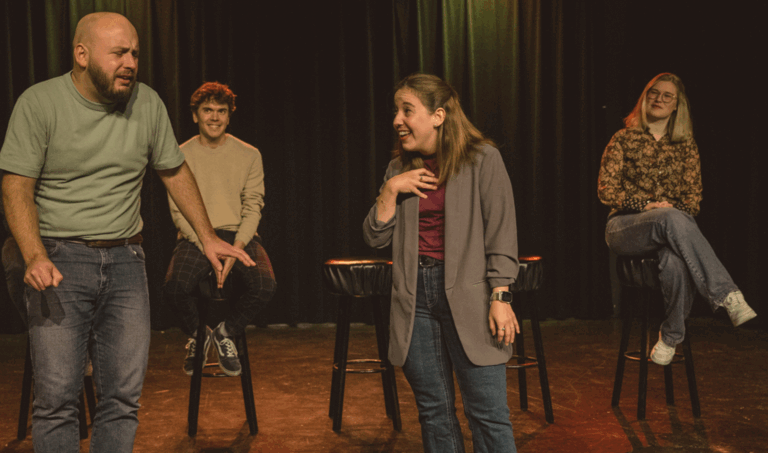
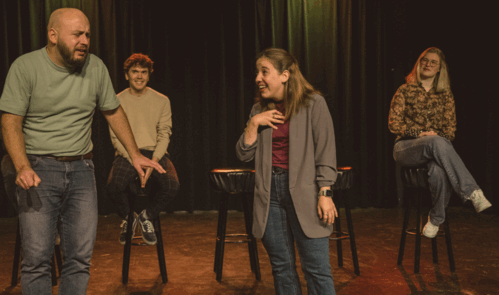
Step into a live improvisation experience where stories, words, and audience ideas shape what happens on stage in real time. Together with performers and researchers, you will explore how language influences the way we think, relate to others, and make sense of the world around us. Funny, surprising, and thought-provoking, this interactive event invites you to experience the hidden power of language for yourself.
By: Erica Darics, Faculty of Arts, RUG and improv comedy group Stranger Things Have Happened
A Sonic Journey Through Your Brain (ENG)
Step into the world of sound. In this 15-minute session, discover how invisible sound waves can rewire your brain, ease stress, and even boost creativity. Expect a journey through science and sensation, leaving you with a new perspective on the power of what we hear. What if the key to mental clarity is just a playlist away?
Tassos Sarampalis and Kirsten van den Bosch, Faculty of Behavioural and Social Sciences, RUG
The Games We Play (ENG)
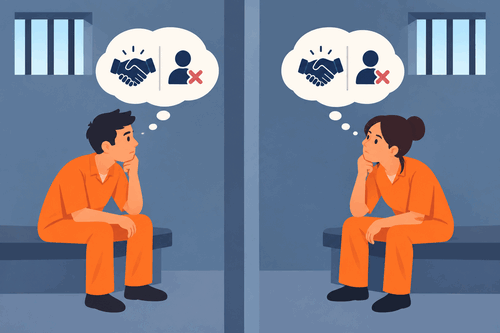
How are our choices influenced by the choices of others? Discover how cooperation, trust, and unwritten rules shape our everyday behaviour. And you might find that a small change in the way we interact with each other can make a big difference for everyone.
By: Martina Vanelli, Faculty of Science and Engineering, RUG
Art can be more than just beautiful or innocent. It can make injustice visible, spark conversations, and set change in motion. That is artivism. From catcalls written in chalk on the street to the feminist punk performances of Pussy Riot and the monumental works of JR, artivism can be small or large — and it may be closer to you than you think.
Marline Lisette Wilders, assistant Professor of Art and Society, explores how art can offer a beacon of hope and resistance in difficult times, how you, whether through small or large actions, can get involved yourself, and considers the question: Does bad art make bad artivism? Featuring music by Ruben Hein.
Host: Jim Jansen
Too Busy to Sleep: The Social Life of Fruit Flies (ENG)
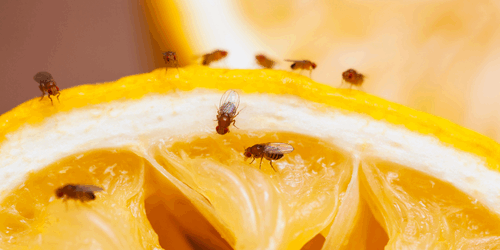
Why do we sleep, and what actually counts as good or bad sleep? We often assume that more sleep is always better, but this may depend on the situation. Sleep is also not something we always do alone. Humans often sleep close to partners, family members or others, but this is also true for organisms as tiny as a fruit fly. This raises an important question: how does the social environment influence when we sleep and when we stay awake? Adithya Sarma explains how fruit flies can help us understand the relationship between sleep and social behaviour.
Come along, join in, and discover! During this interactive talk, we’ll explore what fruit flies can teach us about sleep and social behaviour. Be sure to stop by the mini museum featuring special “Collector’s Items” from the University Museum.
Adithya Sarma is a neuroscientist and postdoctoral researcher at the Donders Institute for Brain, Cognition and Behaviour. During his PhD at the University of Groningen, he studied how social interactions influence sleep and memory.
The program is curated by Studium Generale and the University Museum.
Shared Spaces (ENG)
Wonderland back will be a shared space where we explore the question: What does it mean to truly belong in a city? At This Abled City, you can explore disability, accessibility and belonging through play, conversation and experience. Stay for five minutes or an entire time slot and discover what it takes to create a city where everyone feels like they belong.
This Abled City project, RUG
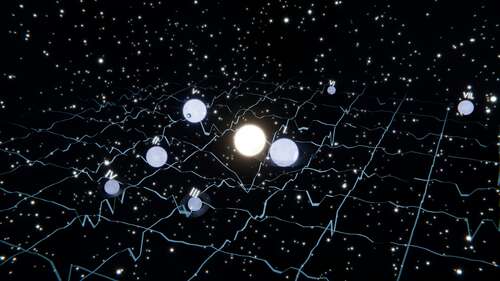
Astronomy on Tap: The Science of Exoplanets (ENG)
Curious about the mysteries of the universe? Join light pollution researcher Nynke Visser for a special edition of Astronomy on Tap at the Forum during the Eureka! Science Festival. After the talk of Dr. Mara Attia you can take part in our interactive astronomy pub quiz and put your knowledge to the test!
By: Nynke Visser, Maria Attia, Faculty of Science and Engineering, RUG.
Recovering well and consciously taking time to recharge, rather than constantly pushing yourself to keep going. In elite sports, recovery is taken just as seriously as exertion. Wouter Frencken shows how these principles can be surprisingly relevant to our working lives. Why is a good holiday about more than simply taking time off? And how can you recognise when you’re approaching your limits before it’s too late?
By: Wouter Frencken, Head Work & Health,UMCG.
Fantasizing in a Dream World (NL)
During this guided fantasy exercise, you’ll step into a dream world where anything is possible. Use your imagination to challenge negative beliefs about yourself and experience what it feels like to see yourself in a different way.
Marlijn Besten, Center for Clinical Neuroscience and Cognition, UMCG
Is Digital Animation Unnecessarily Wasteful? (ENG)
How environmentally sustainable is digital animation? Digital animation can transport us to incredible worlds, but making them look and sound believable comes with a greater environmental cost than one would think.
In this interactive workshop, audiences will discover how creative choices, and especially decisions about believability, realism and technology, shape the environmental footprint of digital animations. When do animation filmmaking approaches become unnecessarily wasteful?
By: Cristina Formenti, Faculty of Arts, RUG
Let's Talk Neurodiversity (ENG)
If you don’t fit within today’s societal norms, you are quickly labeled as ‘neurodivergent.’ Psychiatric researcher Natalia Tiles Sar talks about her own experience of being diagnosed with ADD and asks an important question: Is having a label actually helpful? Or should we change society to better accept and support these differences? Perhaps the answer lies somewhere in between.
By: Natalia Tiles Sar, UMCG
Artificial Intelligence: Stumbling Block or Stepping Stone? (ENG)
Artificial intelligence is reshaping how we live, work, and think about the future. Our instinct is often to protect what we know and seek stability amidst uncertainty. Yet research on human adaptation suggests a different perspective: what if disruption is precisely the condition that makes transformation and progress possible?
Behavioural scientist Valentina Lozano Nasi and Professor Michael Wilkinson explore how we can navigate the challenges of artificial intelligence and build a more transilient future. Featuring poetry by Hannan van Rooij and music by Ruben Hein.
Host: Jim Jansen
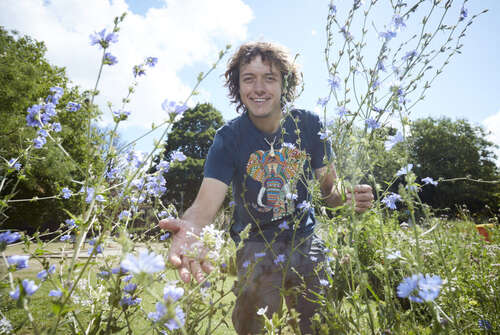
A Wild Night Life (NL)
While most of us are asleep, nocturnal animals are just coming to life. Join Rick Middelbos as he explores the nightlife, this time not with beer, but with owls, bats, and hedgehogs. It’s guaranteed to be a wild night.
By: Rick Middelbos, Ecologist, biology teacher, and nature advocate
Image © Down to Earth
A Sonic Journey Through Your Brain (ENG)
Step into the world of sound. In this 15-minute session, discover how invisible sound waves can rewire your brain, ease stress, and even boost creativity. Expect a journey through science and sensation, leaving you with a new perspective on the power of what we hear. What if the key to mental clarity is just a playlist away?
Tassos Sarampalis and Kirsten van den Bosch, Faculty of Behavioural and Social Sciences, RUG
The Molecular Treasure Chest: Unlocking the Secrets of the Universe (NL)
In this interactive presentation Jelmer Levenga will guide us through the story of how we can use tiny molecules, consisting of just a few atoms, to learn about the history of the entire universe.
With the help of machines built to bring molecules from hundreds of meters per second to standstill, interrogations beyond the most advanced particle physics are explored, all answering to the mystery of the missing antimatter.
By: Jelmer Levenga, Faculty of Science and Engineering, RUG.
Shared Spaces (ENG)
Wonderland back will be a shared space where we explore the question: What does it mean to truly belong in a city? At This Abled City, you can explore disability, accessibility and belonging through play, conversation and experience. Stay for five minutes or an entire time slot and discover what it takes to create a city where everyone feels like they belong.
This Abled City project, RUG
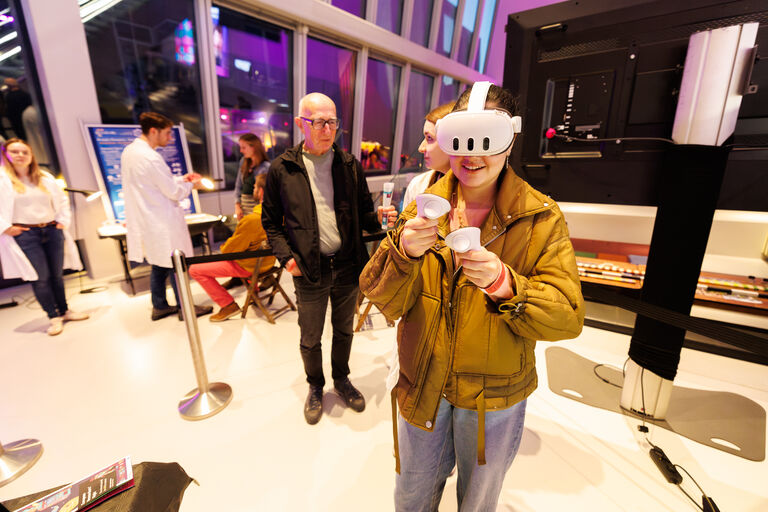
Talk with scientists, participate in experiments, and gain new insights. As you explore the Forum, you’ll discover various interactive exhibits where scientists from the University of Groningen passionately share their findings and take you through their research design.