- Museum
Storyworld
Multiple dates

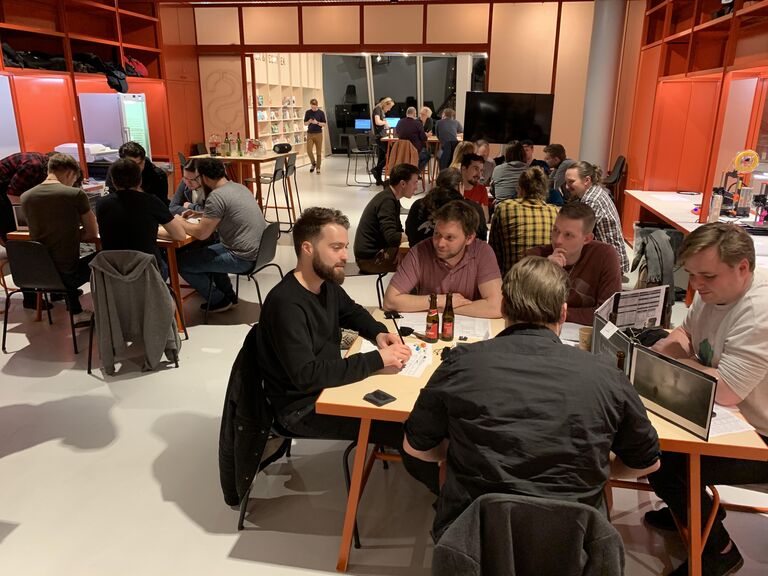
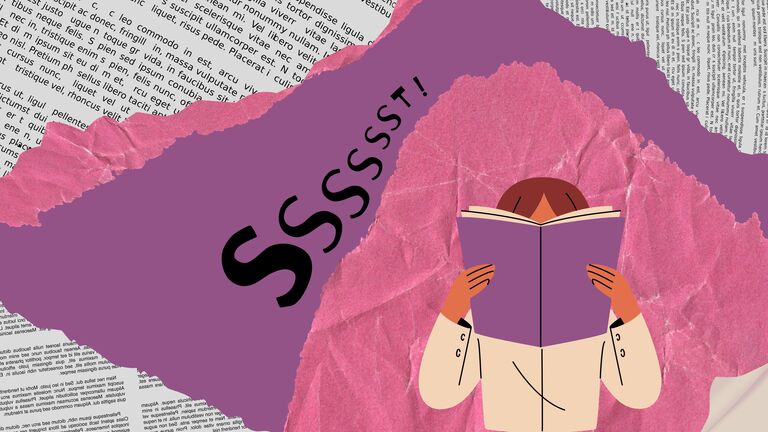
Flanor is an independent literary student association from Groningen with approximately 200 members, from almost all disciplines. Flanor organizes writers' evenings and lectures throughout the year.
These evenings are open to everyone. Flanor also has various reading groups and other fun activities. Please feel free to drop by, everyone is welcome!
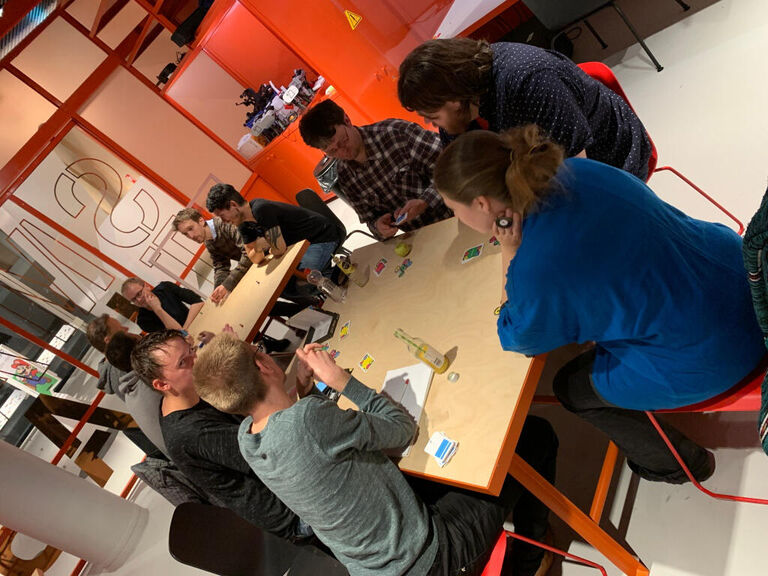
A cup of tea, a comfortable chair and a good book. The word 'literary' has many meanings within Flanor. Fantasy books, coming-of-age stories, graphic novels, but also high-quality Dutch writing or obscure literature from distant places, it is all read within Flanor. Don't be put off by numbers of pages or writers with long names. Reading is for everyone!
For those who can't get enough of reading and writing, Flanor invites a speaker every month. So far we have received writers such as Buddy Wakefield, Jeff Vandermeer, Jan Terlouw, Ronald Giphart, Raoul de Jong, Remco Campert, Hanna Bervoets, Jacques Vriens, Connie Palmen, John Flanagan and many others.
Every year Flanor organises a series of themed lectures. This year the theme is monsters in fiction.
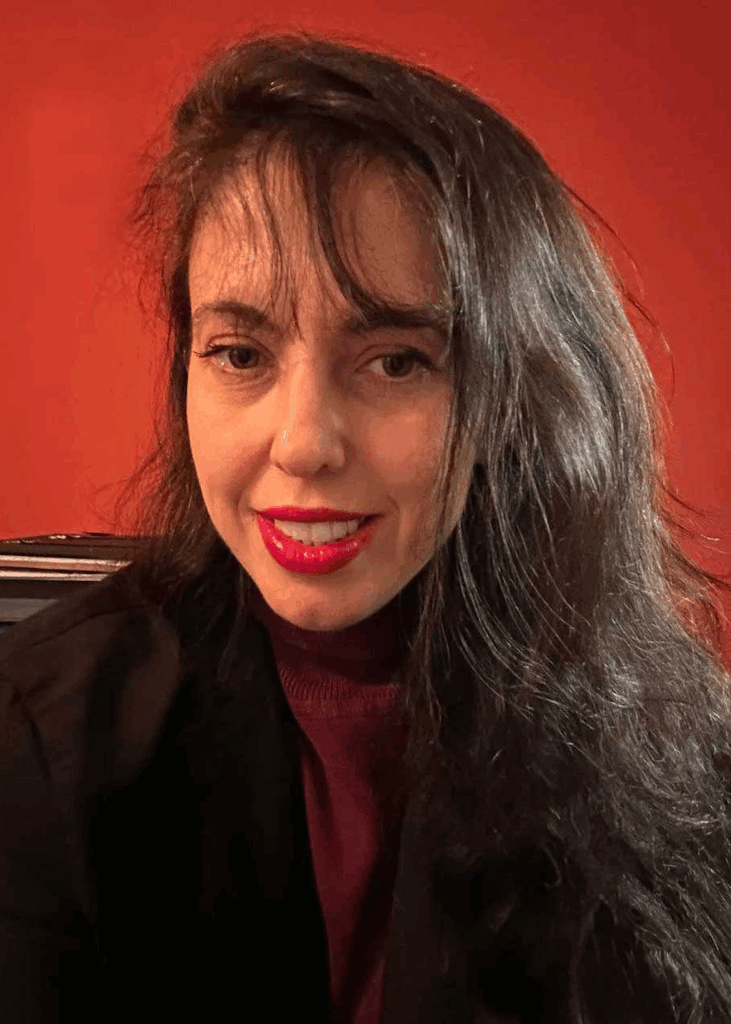
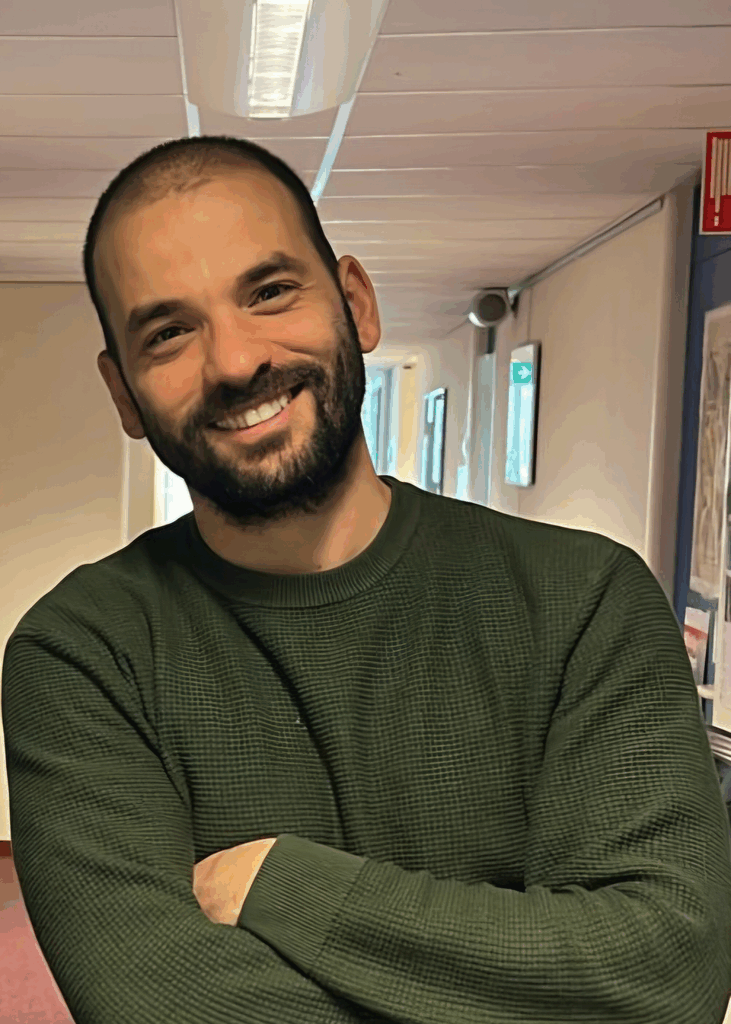
The second lecture will be given by Hisham Hamad, who is a professor of Arabic literature at the RUG. The lecture will be about monsters present in Arabic literature.
8:00 PM - 9:30 PM
€ 15.00
3 West
8:00 PM - 9:30 PM
€ 15.00
3 West
On May 7th, Gretchen Head is giving a lecture at Flanor and Siduri. Gretchen Head is a professor of Arabic literature and will tell us about Saman Rushdie's The Satanic Verses in relation to Khomeini, the Fatwa, and the general possibility of questioning Islam in the literary text.
On February 14, 1989, the founder of the Islamic Republic of Iran, the Ayatollah Khomeini, issued a fatwa calling for the death of the British author Salman Rushdi and his publishers following the release of his novel The Satanic Verses (1988). As a result, his Japanese translator was killed, his Italian translator and Norwegian publisher narrowly survived attempts on their lives, and Rushdie himself lived in hiding under police protection for a decade.
Through a close reading of the novel and its greater literary context, this lecture will consider how Iran, through its condemnation of Rushdie’s novel and the global crisis it catalysed, effectively shifted the borders of literary kufr (unbelief or blasphemy) in the Islamic world, radically changing both the boundaries of free speech and literary discourse from the Middle East/North Africa to South and Southeast Asia.