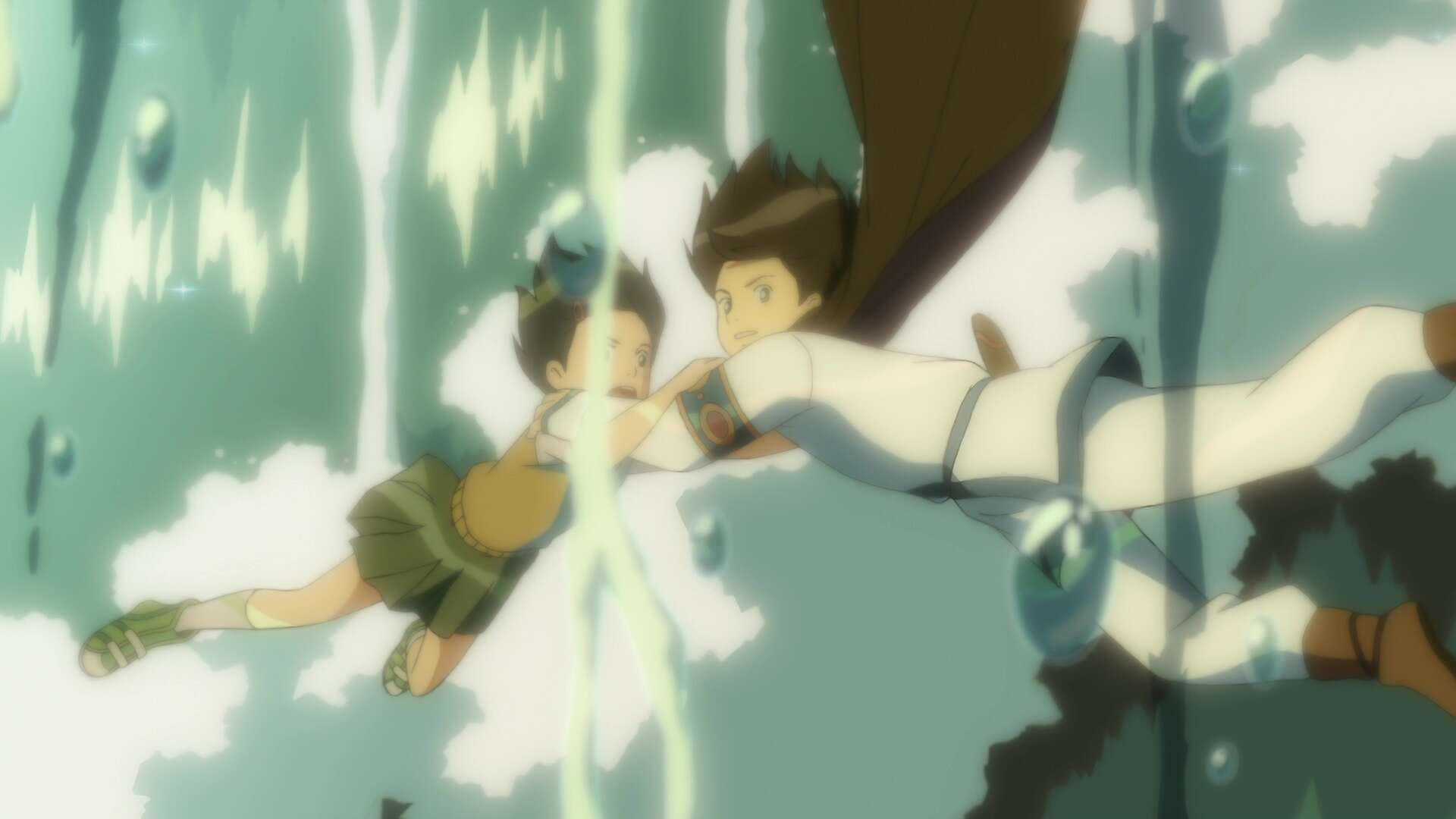
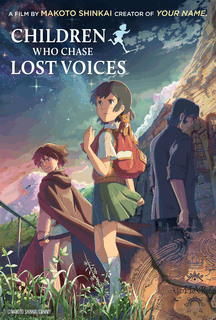
In Shinkai’s most Miyazaki-like film, young Asuna enters a gorgeous, multicultural underworld, where she gradually confronts loneliness and death.
Small, bright Asuna is growing up very independently. Her mother works hard, and her father has passed away. She often sits alone on a hilltop near the railway bridge, listening to the sounds of the airwaves on her old-fashioned crystal radio. Then, one day, she hears a remarkable voice rising from the depths. Together with her teacher, Mr. Morisaki, and a mysterious boy named Shun, she ventures into the hidden underworld of Agartha, where magical Quetzalcoatls watch over the souls of the recently departed...
Children Who Chase Lost Voices from Deep Below is the latest anime from Makoto Shinkai, the director who moved many Imagine festival-goers in 2008 with the poetic 5 Centimeters Per Second. He has gained renown for his exquisite artistry and poignant storytelling.
Asuna’s adventures in the underworld are wondrous and thrilling, while the music, animation, and narrative remain as magnificent, personal, and delicate as ever. Shinkai-san—often compared to Hayao Miyazaki for good reason—once again leaves the viewer with a lump in their throat.